
How Do I Word My Ads So I’m Remembered When Someone’s Furnace Breaks?
You probably already know that most advertising is forgotten immediately after it passes before the eyes or ears of a person — but the curious thing is why certain phrases attach themselves to memory and stay there, just waiting for the moment they'll be needed.
The Memory That Matters Isn't the Ad, It's the Feeling
The thing nobody tells you is that when a homeowner's furnace dies, for example, they aren’t going to replay your commercial in their head. Instead, a name will just pop into their head. And it does that popping because of how it was put into the head at some point in the indeterminate past: with emotion more than cold information. This is just how the brain works.
You build a brand by creating a connection between a feeling and your name, repeated so many times it becomes automatic. Like hearing the first three notes of a song and knowing every word that comes next.
This takes time and patience, and it takes saying something that matters to a real person in a real way.
Say One Thing, Say It Strange, Say It Always
Lots of business owners change their ads every season with new sales and offers under the mistaken idea that they need to keep things fresh. But they don’t; variety keeps you invisible. Consistency is so important! Please never forget this.
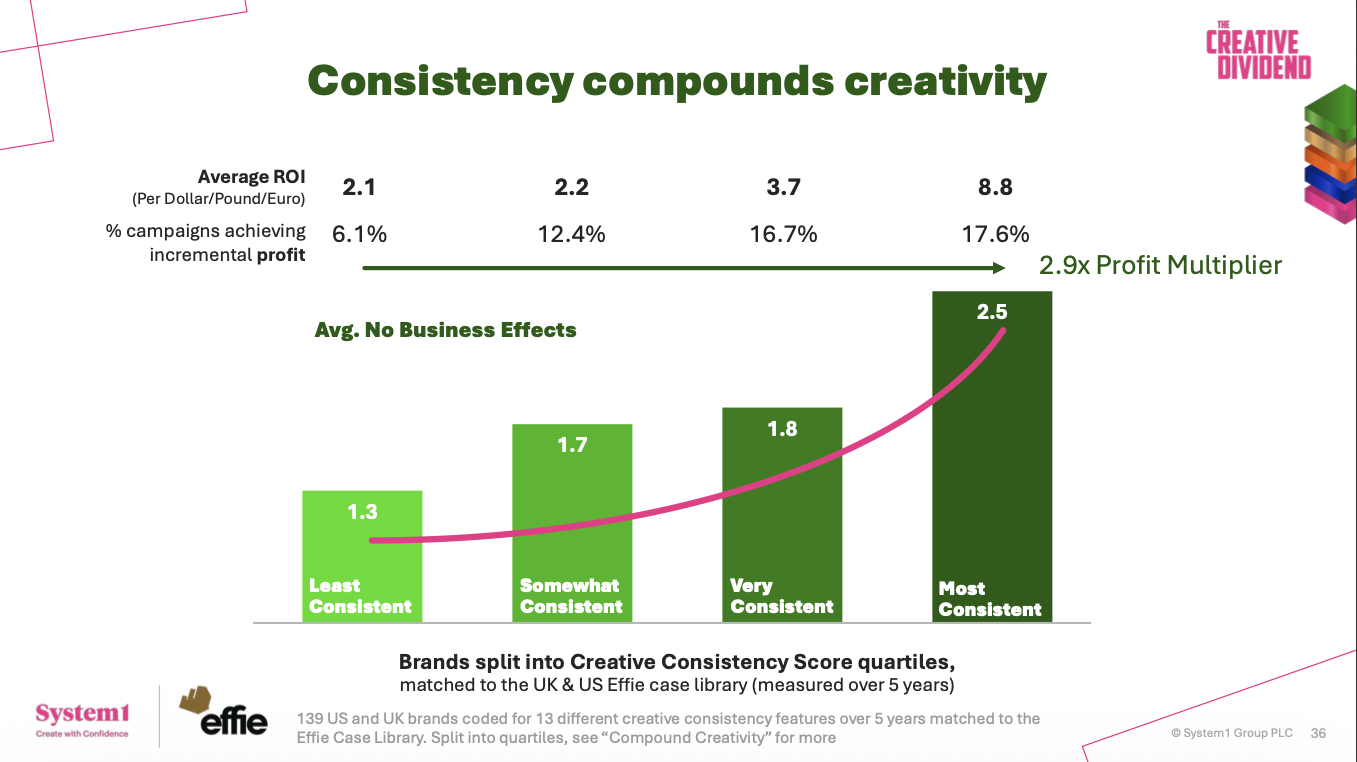
A single vivid idea that’s been repeated for years does more memory work than a hundred ever-changing campaigns. The idea needs to be slightly unexpected, and able to make the ear perk up because the brain didn't predict it. Predictability is the enemy.
So it’s good to try to say something a little strange or sideways. Then, you say it again the next week, and the week after that that; and then fifty weeks after that.
Creatively awarded campaigns — the ones people actually remember — are roughly nine times more efficient at growing market share than forgettable ones. And it has nothing to do with flashiness; it’s that they're vivid enough to stick and consistent enough to compound.
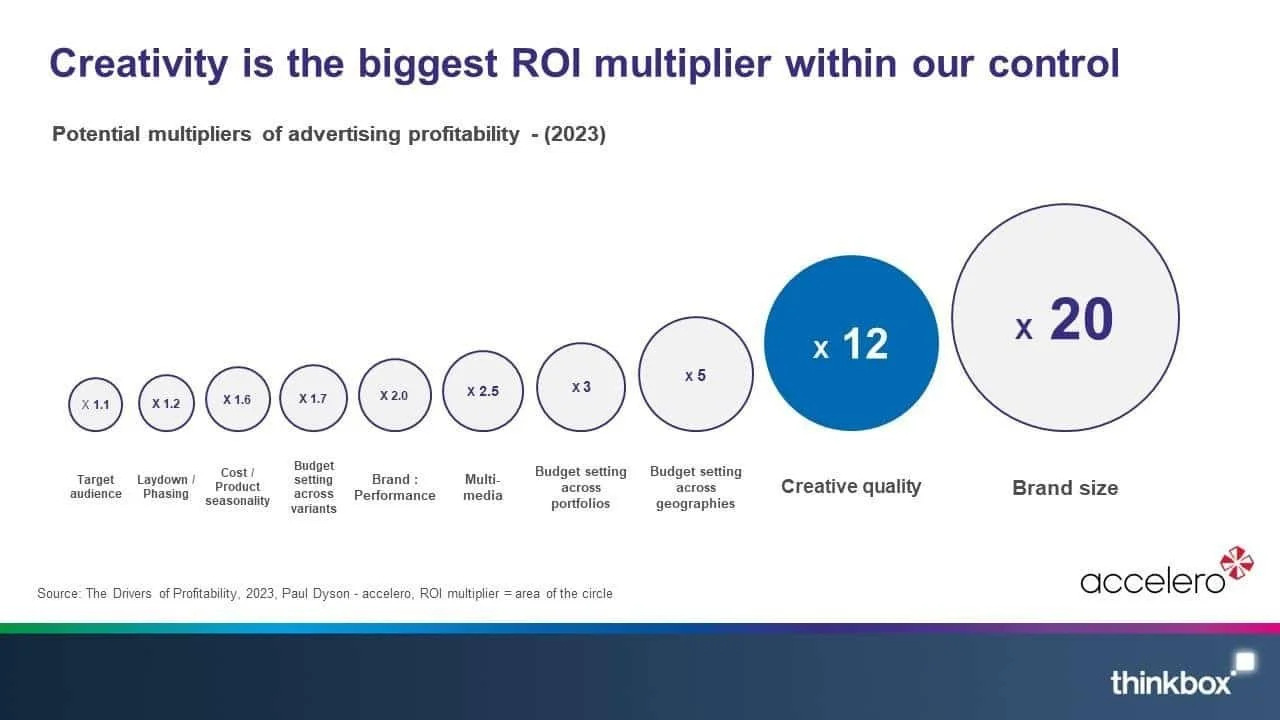
The longer you run the same idea, the better it works. The longer you chase new ideas, the more you start over.
The Furnace Breaks at 2 AM — Who’s in That Homeowner's Mind Already?
So it’s February and it’s dark, and your furnace broke, and now the house is getting cold. A homeowner in this case isn’t going to compare three companies from a bunch of spreadsheets; they need help immediately, and they’re going to go for the first company they can remember.
And that name will have gotten into their mind over the course of months or possibly years, because someone said something on the radio that made them smile or feel understood, or painted a tiny picture they couldn't quite forget.
The language that earns that position isn't "We're the most trusted name in heating and cooling." Nobody remembers that, and nobody can remember it, because every company says it.
The language that earns that position sounds like something a person would actually say. It has a point of view, and some warmth to it; it has specifics instead of claims.
At any given time, only about seven percent of your trade area needs you right now. The other ninety-three percent will need you someday. Your ad isn't for the seven, really, as much as it’s for the ninety-three — sowing your name in the soil of their memory so it's already growing when the crisis comes.
Write It Like You'd Say It to a Neighbor, Not Like You'd Print It on a Billboard
One of the secrets to good ad writing is that ads that sound like a real person talking to another real person create a kind of intimacy that sticks in a person’s mind. Ads that sound like advertising don’t do that.
Talk to your listener a little like the way you'd talk to a neighbor over the fence. Not extra loud or extra smooth, but just honest and a little interesting.
Most ads aren't written to move people as much as they're written not to offend anyone. And that, of course, results in boring and forgettable messaging that could belong to any company in your category.
A message strong enough to make some people love you will always make a few people shrug. That's fine. You don't need everyone. You need to matter to someone.
Use normal words, and keep them non-multisyllabic — you know, short. Use verbs over adjectives — and though short-ish sentences are good, try not to use too many staccato short sentences, which produce a machine-gun effect in the mind’s ear. Don't only say you're "committed to excellence," which is boring and abstract, but try to show what you actually do when the furnace dies at 2 AM and the baby is crying. Paint that picture, and try to get the listener to see themselves in it.
The Ad That Owns the Moment
It is better not to try to something your customer will remember about your company: instead, try to say something your customer will remember about themselves.
The ad that makes a person feel seen, or heard, or understood, and so on, is the ad that succeeds in that moment when their furnace dies. Because at that terrible moment, they’ll (naturally) only be thinking about themselves. If your voice is already in that room and already part of how they feel about their own home and their own life, you'll be the name that pops into their head.
Try to say one true thing, and try to say it like a human. Say it every week, and let time do what time does.