I lied to my wife.
Not a, "does this dress make me look fat?" kind of lie.
A life altering, trust, shattering lie.
While engaged, I lied about a decade long addiction that broke out into the open one year into marriage and when it came out, our worlds fell apart.
She suddenly realized:
I was not the man she thought she married
My words, couldn't be trusted
and she had no idea how deep the deception went or whether our marriage had a future.
That moment introduced three questions. Questions every spouse instinctively asks, when trust collapses.
Who are you really?
Can I trust what you say?
Are you for me or are you using me?
These questions aren't random, they're neurological. When trust breaks, the brain shifts into self-protection mode and starts searching for identity, reliability, and alignment.
What shocked me later was discovering that consumers ask these exact same questions about the companies they consider doing business with.
Marketing Myth #1 “Consumers are eager to buy”
Marketers tend to imagine consumers as eager little wallets hopping about waiting to give them money, but in reality, most consumers have been burned. Most consumers behave much more like my wife did after betrayal.
Skeptical, cautious and looking for clues. And the tragedy is that most companies cause that skepticism because they communicate like strangers trying to rush intimacy.
Marketing Myth #2 “Just Show Up Everywhere”
Marketers often act as though "if I just get my logo in enough places, people will buy."
Unless you're Coca-Cola, who has trained us over decades to see them as consistent and available. Your logo and your company name likely means nothing to the general public.
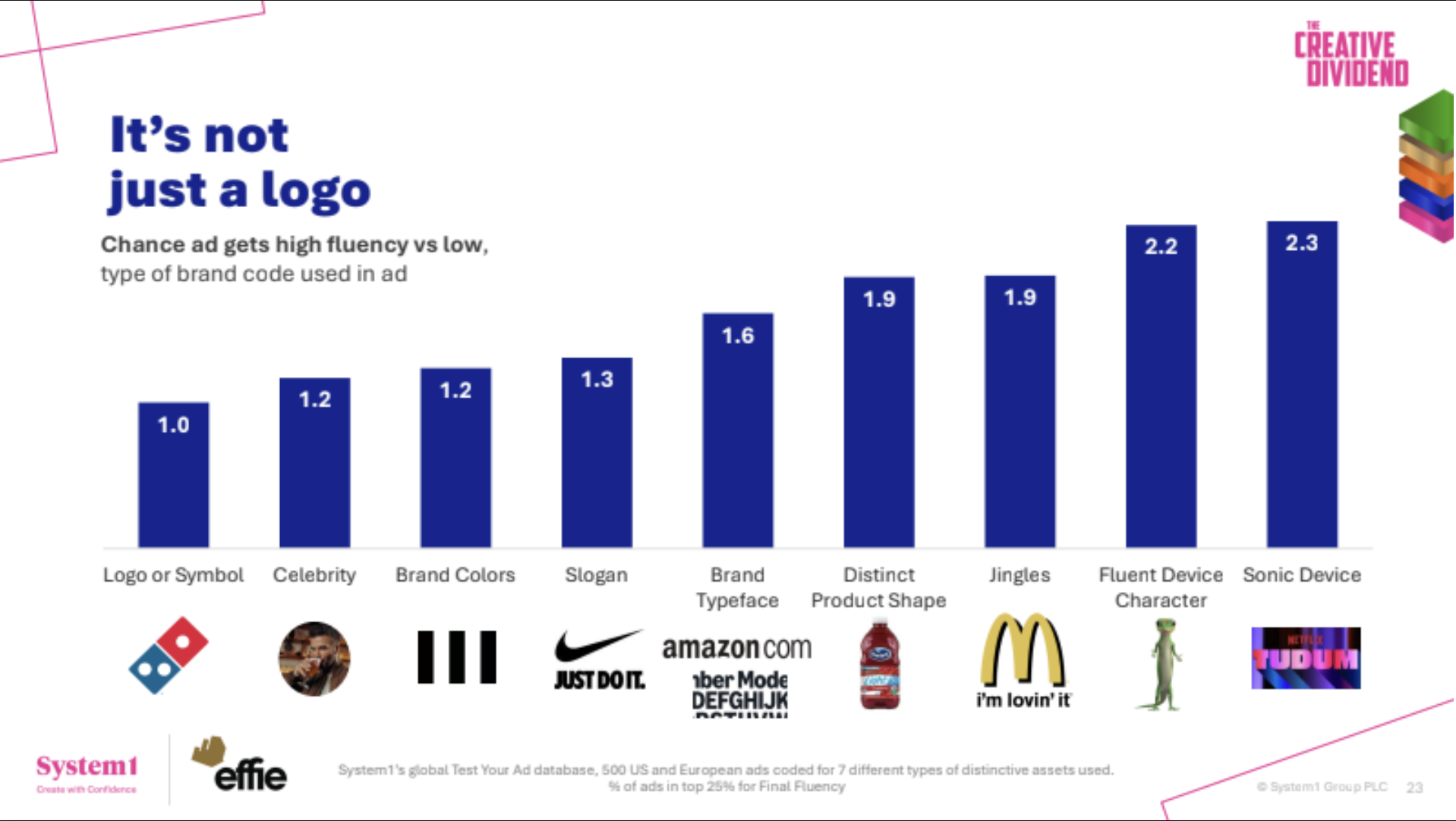
In fact, recent creative effectiveness studies show that logo ranks dead last in what actually moves consumer behavior.
Why?
Because logos don't come preloaded with meaning.
They can't carry emotion.
They don't reveal character.
People want to know what you stand for and what you stand against. They want clarity. Yes, some will love you and some will hate you, but indifference is the death of a marriage and it's the death of a brand.
Marketing Myth #3 “Just Tell Them Your Values?”
After betraying my wife's trust, imagine me looking into her eyes and saying, "you can trust me now."
0% effective because trust isn't declared. It is demonstrated.
Stating your values doesn't make people believe them. And can even push away those who have been burned.
Plus, when companies lead with values like “honesty,” “integrity,” “exceptional customer service,” they unfortunately set themselves up for failure.
One minute late to an appointment… Liar.
Three minutes on hold… Liar.
Product breaks after five decades... Liar.
Why you're setting the bar at perfection and no one and nothing is perfect, which means you can only go down in the customer's mind.
Marketing Reality - Get Your House In Order
So if customers are skeptical, brand assets don't carry weight, and customers don't take your values at face value, how do you effectively communicate who you are?
Before my wife could trust my words, she needed to trust my trajectory. That required change in me, not lectures from me. While I was trapped in addiction, I was afraid of her knowing the real me.
Since breaking free, I eagerly express what I actually think and feel.
In business, the same rule applies. Become the kind of business that people would eagerly buy from or work for. Good marketing cannot outrun a bad culture. Start by getting your house in order.
Marketing Reality - Trust Drives Profit
Peter Field's analysis of thousands of marketing campaigns in the IPA Data Bank show, a simple yet stunning truth.
Trust isn't just emotional, it's profitable.
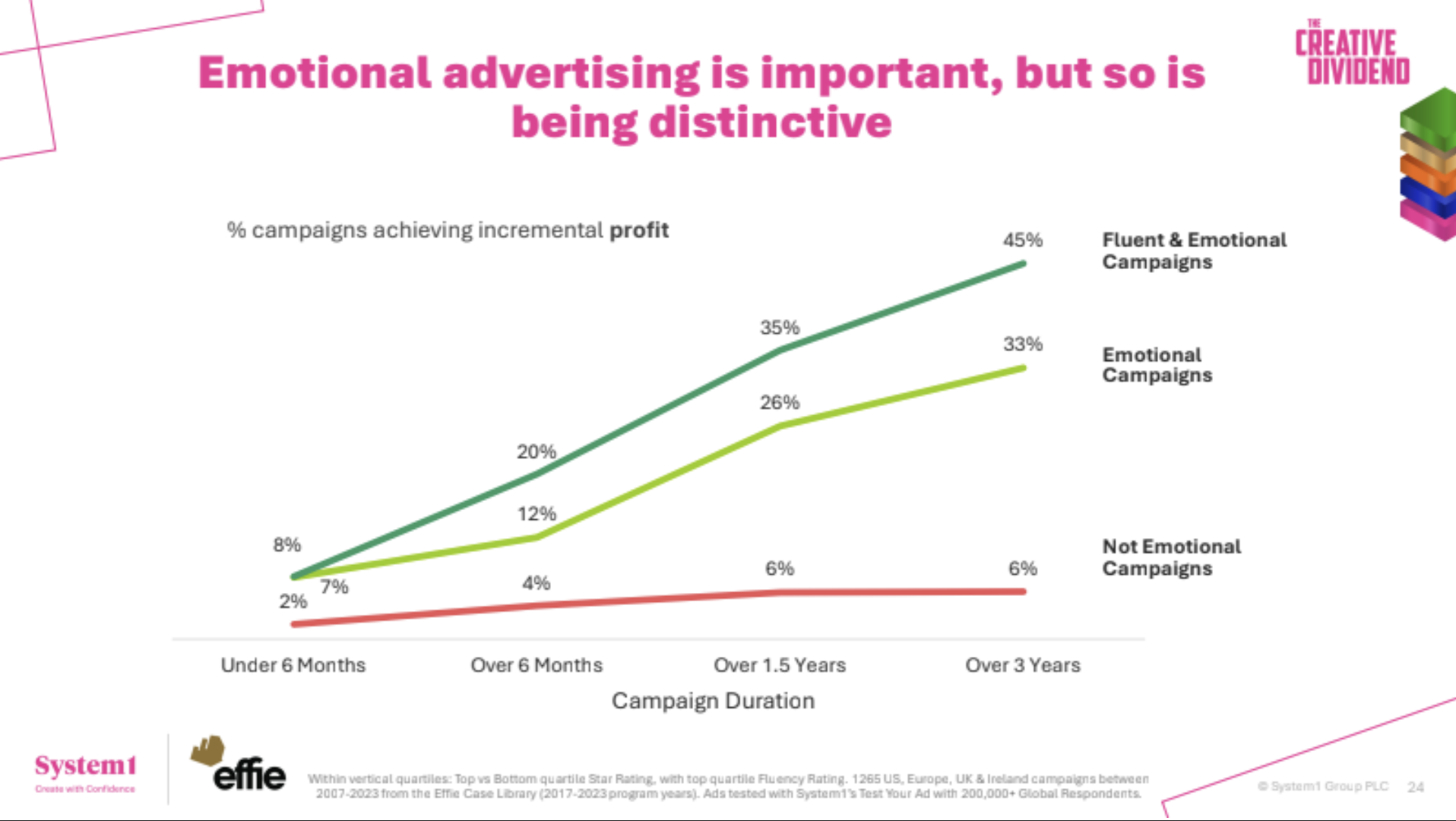
Campaigns that grow brand trust dramatically outperform competitors in profitability.
So when you communicate honestly, consistently, and with emotional integrity, you're not just being nice. You're building the most financially powerful asset a brand can own…
earned trust.
Marketing Reality - Words Can Build Trust and Loyalty
After trust was broken,
" I love you" meant very little.
Dry declarations meant nothing.
What built trust was vulnerability and specificity.
Not “I'll do better”, but “here's what I'm changing.” “Here's what I fear,” “here's what I don't understand,” and “here's what I need to be accountable for.”
In marketing, this looks like using stories instead of slogans.
Instead of saying, "we're dependable," tell the story of the time that you failed. And then went above and beyond to make it right.
Vulnerability isn't weakness.
In brands as in marriage, it is proof of emotional truth.
Marketing Reality - Consistency and Frequency are Irreplaceable
A marriage dies when emotional connection is infrequent.
It's the same with consumers.
Relationships grow from
Repetition
Emotional experiences
Shared stories
and accumulated moments of meaning
This is where the IPA compound creativity Research comes in,
Consistency builds trust.
Trust builds memory.
And memory builds profit.
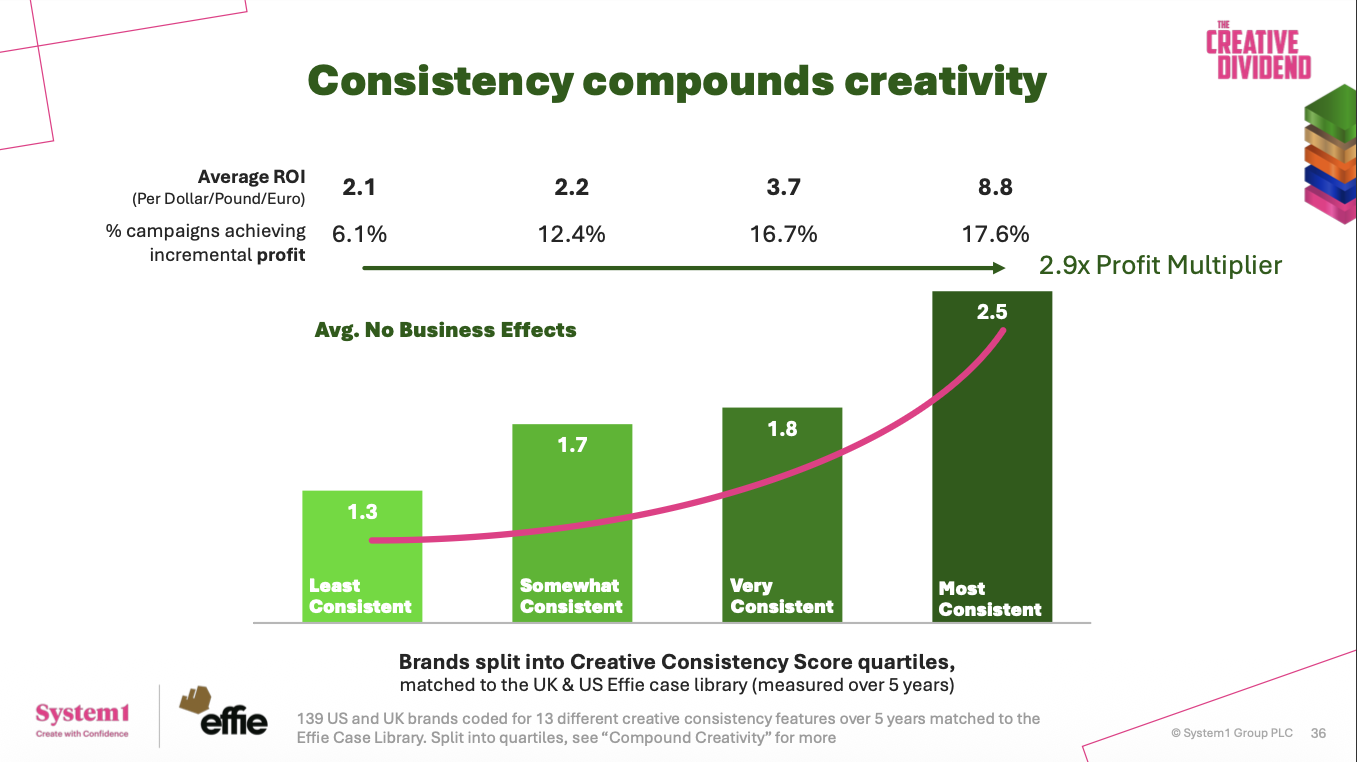
Brands that consistently use the same tone story style, brand codes and emotional cues create:
5x more awareness
2.5x more brand image
1.8 times more salience, (which means that brand is more easily recalled when someone's making a buying decision)
and significantly more trust.
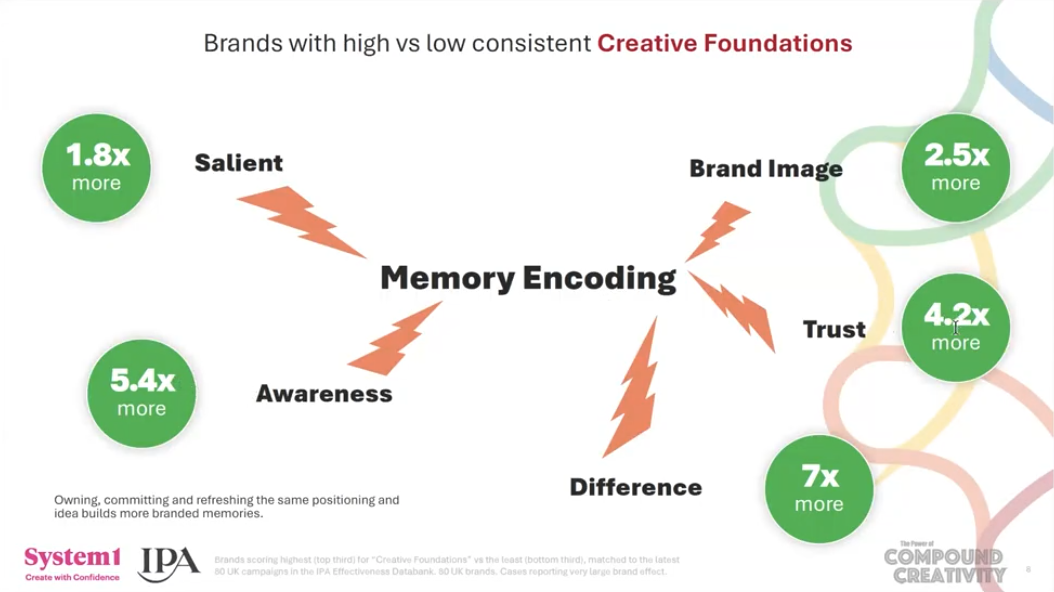
Just like marriage, the relationship compounds over time, but you MUST move the relationship forward.
No one likes having the same conversation a hundred times with their spouse or anyone for that matter, yet so often marketers run the same ads for months or until the sun has bleached them.
If marketing is about growing trust and trust is built by deepening relationship. Business owners must continually share more and more of their heart with consumers in ways that's relevant to them to keep the relationship alive.
“I Feel Like I Already Know You!!!”
If you meet your favorite podcast host or actor, you may feel like you already know them.
This is called Parasociality. It develops when a public figure becomes emotionally meaningful to someone, and after observing the celebrity in different scenarios, you begin to feel like you already know them well enough that you could predict their behavior.
That is the goal of relationship-based marketing.
Your future customers should be able to meet you in real life and think, " I feel like I already know you!" Not because of your logo, but because of your heart expressed consistently. Yet in new ways over time.
The Three Pillars of Trust in Marriage and Marketing
If you want to win the hearts and wallets of evermore skeptical consumers:
Become the kind of person or company that someone would want to have a relationship with because trust grows from character, not claims.
Craft words/stories that win hearts, not just minds, because emotion is the path and words are the vehicle.
Show up consistently. Reveal more of your heart over time. Relationships, all of them require frequency and emotional intimacy.
These are the pillars that rebuilt my marriage after betrayal. And these are the pillars that build famous, beloved, profitable brands.
And for the record, my wife looks great in any dress!