
Why Customers Don’t Believe You Even When You’re Honest
Most business owners are telling the truth: they do quality work, they show up when they say they will, they fix what they promise to fix, and they stand behind their work when something goes wrong.
But customers still hesitate, ask for multiple quotes, hem and haw and say, “Let me think about it.” They’re still unsure—or at least they seem to be, which can feel just as bad—especially after a solid conversation.
As a business owner this is frustrating, and of course we can hardly communicate this to our clients in most cases. It’s even worse if you’ve been doing this for a long time. There’s a sense that being honest ought to count for something. Of course it should.
However: honesty and trust aren’t quite the same thing.
You Need Truth, But Truth’s Not Enough
Business owners think that we build trust by saying the right things clearly and honestly. We aim for transparent pricing and straight answers. Gimmicks aren’t worth very much.
This is surely the right attitude, but this kind of behavior isn’t always what literally gets people to believe in you. A customer won’t walk away from an estimate thinking that they trust you because you told the truth; it will be more a question of whether they feel comfortable with you or not. That feeling is felt more than rationalized, and so it takes special consideration.
You can build trust by feeling familiar, stable, and consistent over time. “Truth” is part of that, but isn’t the only thing that drives it.
I spoke with a business owner this week who’s got excellent internal values and genuinely ethical leadership, and the customers who work with their company really love it. New customers, though, seem to approach more cautiously. They listen and nod, but still hesitate.
The issue in their case is exposure; trust hasn’t had time to form.
Familiarity Is Worth More Than Claims
Customers don’t have the time or energy to deeply evaluate every company they encounter; nobody does. So they take shortcuts and rely on familiarity. (the same is true when we vote in politicians)
When someone has seen your name and message repeatedly, or seen your story several times in multiple places, they start to subconsciously flag you as “known” instead of unknown. And human nature dictates that we tend to go for knowns over unknowns. Even if the unknown company is just as honest, honesty matters a little less because of this calculation.
This is why businesses that don’t market themselves consistently enough have a hard time building up belief in their product/service.
We had another business owner who contacted us who had only run a few campaigns over the years. They were good campaigns, but they weren’t connected enough to each other. Each of them had new messaging and tones; new emphases.
To the owner, it felt like they were “trying things”, but from the customer’s perspective the business just felt unstable.
Their audience got less skeptical once the company committed to a single message and stuck with it. A customer wouldn’t necessarily know why they trusted them more after that; but, they did.
And that’s just how trust works.
Avoid One-Off Marketing
One-off marketing feels productive. You launch something and see activity; phones ring or messages pop into your inbox, and it feels like you can start building momentum. But you can’t build trust through bursts like this—you’ve got to keep at it. Repetition, repetition, repetition.
When you change your message strategy, you inadvertently reset your trust meter. The market has to re-learn who you are, and that takes effort that customers are not quick to volunteer.
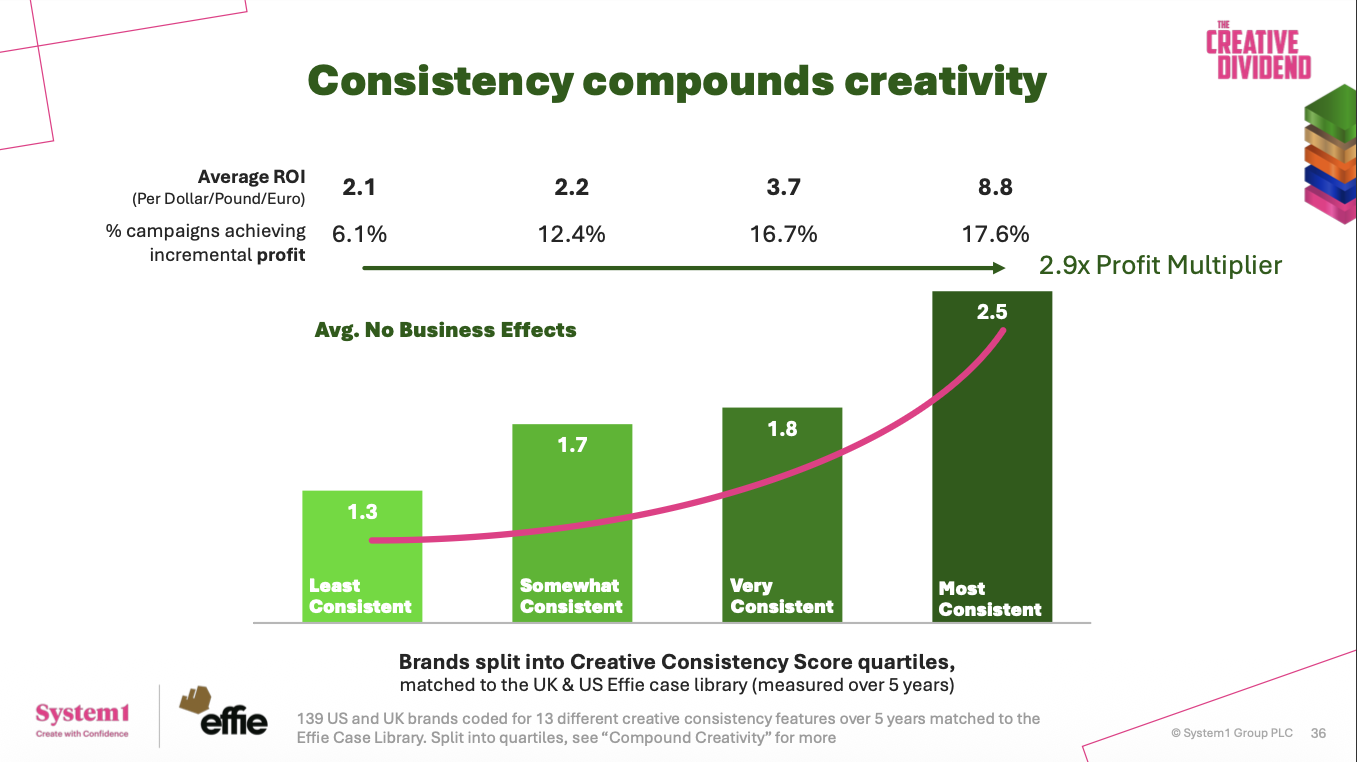
This is why we tend to see owners who can’t understand their marketing results. They’re definitely visible; the campaigns are definitely real. But, unfortunately, they are not familiar.
When businesses commit to staying visible in the same way, with the same message strategy for long enough, it starts to sink into the public, people start believing in them. Customers stop approaching the business with their guards up, and sales conversations get easier.
The truth hadn’t changed at all: just the consistency.
Reviews Help This, But Don’t Solve It
Reviews help a lot, to be sure. They validate a possible customer’s decision to go with you, and they reduce their concerns or fears. They can’t completely replace trust, though. Reviews just support it.
We’ve worked with businesses that had strong review profiles and still struggled with hesitation and price resistance. Customers see the reviews, but aren’t completely convinced by them and keep shopping around.
The reason is that reviews speak about outcomes instead of your business identity. They answer the question of whether others had a good experience or not, which is valuable, but they don’t always answer the question of who you are as a company.
You build trust when customers understand what you stand for, how you approach your work, and why you do things the way you do. Reviews can’t carry that weight on their own.
How Trust Forms
Trust forms slowly and unevenly, and one way this happens is when a business shows up consistently with the same message strategy, tone, and values—long enough that customers stop questioning who they are and start assuming they already know.
That, friends, is a good place to be. Once you get consumers to this zone, you’re at a turning point.
In fact, it’s common for our clients to call us one or two years into the campaign we’ve built for them and tell us that new customers have gone from being cold and almost combative to accepting quotes as-is—and even making coffee for their employees. That’s quite a difference.
With trust, you don’t have to convince the customer… They convince themselves over time.
What This Means For You
If customers hesitate even when you’re being honest, it probably means that belief in your service or product hasn’t had time to catch up yet (or you have an ineffective strategy). Truth opens the door, but being consistent invites people inside.
When people feel comfortable, they stop shopping around—and they start choosing you. Trust loses abstraction when it starts to show up in your revenue, right?
If you’d like to learn how frequently your customers need to hear from you or you’d like to learn additional considerations for building trust, you can book time on my calendar.